
History So Far
"A post-human world requires post-human solutions."
Two World Wars have left Europe and Japan scarred; the Holocaust saw millions of Jews systematically murdered; atomic bombs destroyed Hiroshima and Nagasaki; Chernobyl became a symbol of nuclear catastrophe; and for four decades, the Cold War held the world beneath the shadow of annihilation. Now the Soviet Union is gone, the Iron Curtain has fallen. War continues to tear apart the former Yugoslavia, while in Rwanda a fragile peace collapses into one of the worst genocides of the modern era, and yet there is hope.
It is 1996. The millennium is fast approaching, and after nearly a century of catastrophe, the world dares to believe that the worst may finally be behind it. From Washington to Moscow, from Berlin to Tokyo, there is a growing sense that history may finally be turning a corner. The nuclear standoff has ended. Old borders are opening. Nations once divided by an iron curtain are speaking of cooperation. After a century of war and fear, humanity looks toward the approaching millennium and allows itself, cautiously, to dream of peace.
Nowhere is that optimism more evident than in the United States. The Cold War is over, the economy is recovering, and the country is looking toward a future defined by technology, commerce, and connection. Personal computers are beginning to find their way into American homes, cellular phones are becoming increasingly commonplace, and the Internet is slowly escaping the universities and laboratories that first built it. The White House itself has gone online. To many Americans, the future no longer looks like something to fear. It looks like something to buy, watch, build, and discover.
Jay Leno and David Letterman trade blows after dark; Seinfeld, Friends, ER, The X-Files, The Simpsons, and The Fresh Prince of Bel-Air fill living rooms across the country. MTV remains a cultural force, while Nirvana, Pearl Jam, Tupac Shakur, Mariah Carey, Madonna, and Michael Jackson command the radio. At the cinema, lions and dinosaurs compete with snappy dialogue and guns for hire for the public imagination. For a country that spent half a century preparing for the possibility of nuclear annihilation, this new America feels almost impossibly ordinary, enjoying its moment of respite.
And yet... the future waits for no one.
- V: Mutant Genesis
- VI: The Registration Act
- VII: Survival of the Fittest
- VIII: X-Tinction Agenda
- IX: E is for Extinction
V: Mutant Genesis
1981 : Here Comes Tomorrow

A string of terrorist attacks strikes nuclear research facilities and weapons programs on both sides of the Iron Curtain. The Sverdlovsk-44 facility in the Urals suffers an unexplained and catastrophic equipment failure; the CEA Valduc centre in the Côte-d'Or and the military enrichment plant at Pierrelatte report vault and blast doors blown open and folded like paper. The Penn State Breazeale Reactor in Pennsylvania is sabotaged. Pakistan is blamed for bombings at the New Market district of Calcutta. The infamous tabloid darling and homewrecker Anthony Trask escapes captivity in the Wundagore Mountains. Rumors spread faster than facts. There are monsters living in the sewers of New York.
The public searches for answers. Newspapers blame terrorists, communists, religious extremists, industrial sabotage, or mass hysteria. Scientists quietly begin comparing medical anomalies appearing in countries with no apparent connection to one another. The word "mutation" gains traction in academia. Intelligence agencies expand their files. Police departments receive increasingly bizarre reports. And on American television, a charismatic seminarian called William Stryker begins attracting an audience with his ominous sermons. He offers no evidence and names no enemy. He simply warns his listeners that demons walk among them.
1982 : Enter Magneto
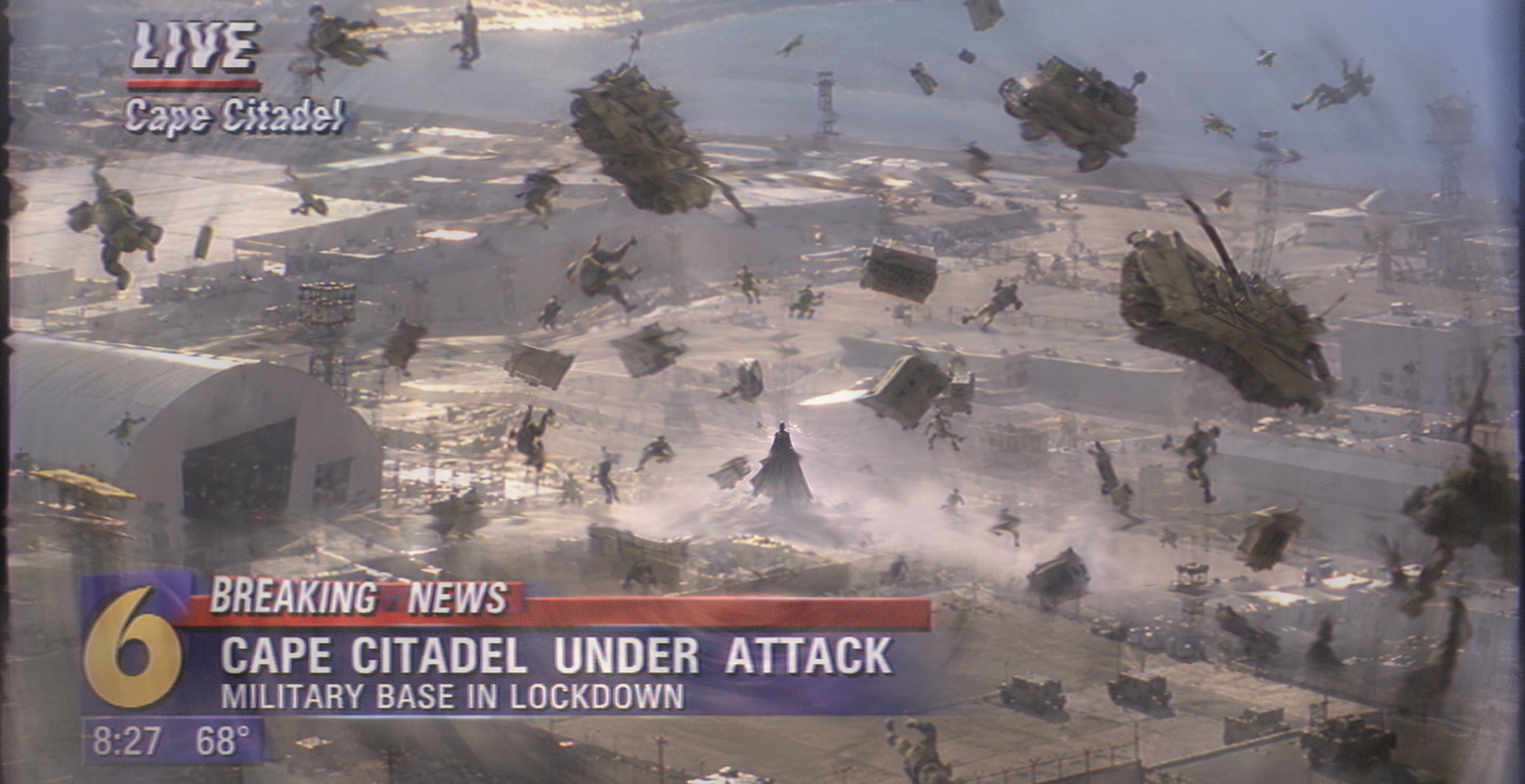
The Falklands crisis briefly pushes the stories from the front pages, but only briefly. A young woman in Las Vegas is the only survivor of a plane crash. None of the cases are connected publicly. Meanwhile, the FBI and CIA dramatically expand their investigations, quietly exchanging information with intelligence services in Europe and Asia. Fringe civilian groups multiply, convinced that governments are concealing something and, over the course of months, secrets becomes increasingly difficult to contain.
Reports emerge of enhanced individuals appearing at military bases, hospitals, prisons, and police stations around the world. Governments offer competing explanations: doctored images, Soviet biological research, terrorist organizations, industrial accidents. Against this backdrop, intelligence agencies begin privately considering a possibility that remains publicly unthinkable: that the incidents may involve a previously unknown population of human beings possessing extraordinary abilities. Especialists in the field of genetics are consulted, and the name of Dr. Charles Francis Xavier and Dr. Moira Kinross MacTaggert become known by the authorities.
It all comes to a head at Cape Citadel. An unknown force attacks the military facility, and two distinct groups of superpowered individuals clash inside the base: one led by an extraordinarily powerful man calling himself Magneto, leader of the Brotherhood. The damage is too extensive to suppress, and hundreds of military personnel, contractors, and civilians swear that their lives were saved by Magneto's unnamed opposition. All at once, the rumors acquire a face. The world has undeniable evidence that individuals performing feats beyond any known human capability are real... and that at least some of them are hostile.
The Daily Bugle gives the mystery group a strange - and ominous - names for its headlines: the X-Men.
1983 : The Mutant Question
But the question of mutants is becoming harder to ignore. In a small Alabama town, a high-school student is cornered in a parking lot by older boys. Witnesses disagree on what happened first: some say the student started it, others that one of the boys produced a knife. What everyone agrees on is what happened next. Windows shatter, vehicles are overturned, and dozens of students and bystanders are injured. The teenager is taken into custody. Scientists appear on talk shows, while parents begin asking: how do we know if there are mutants in our schools? Discussions of registration move from fringe proposals into serious political debate.
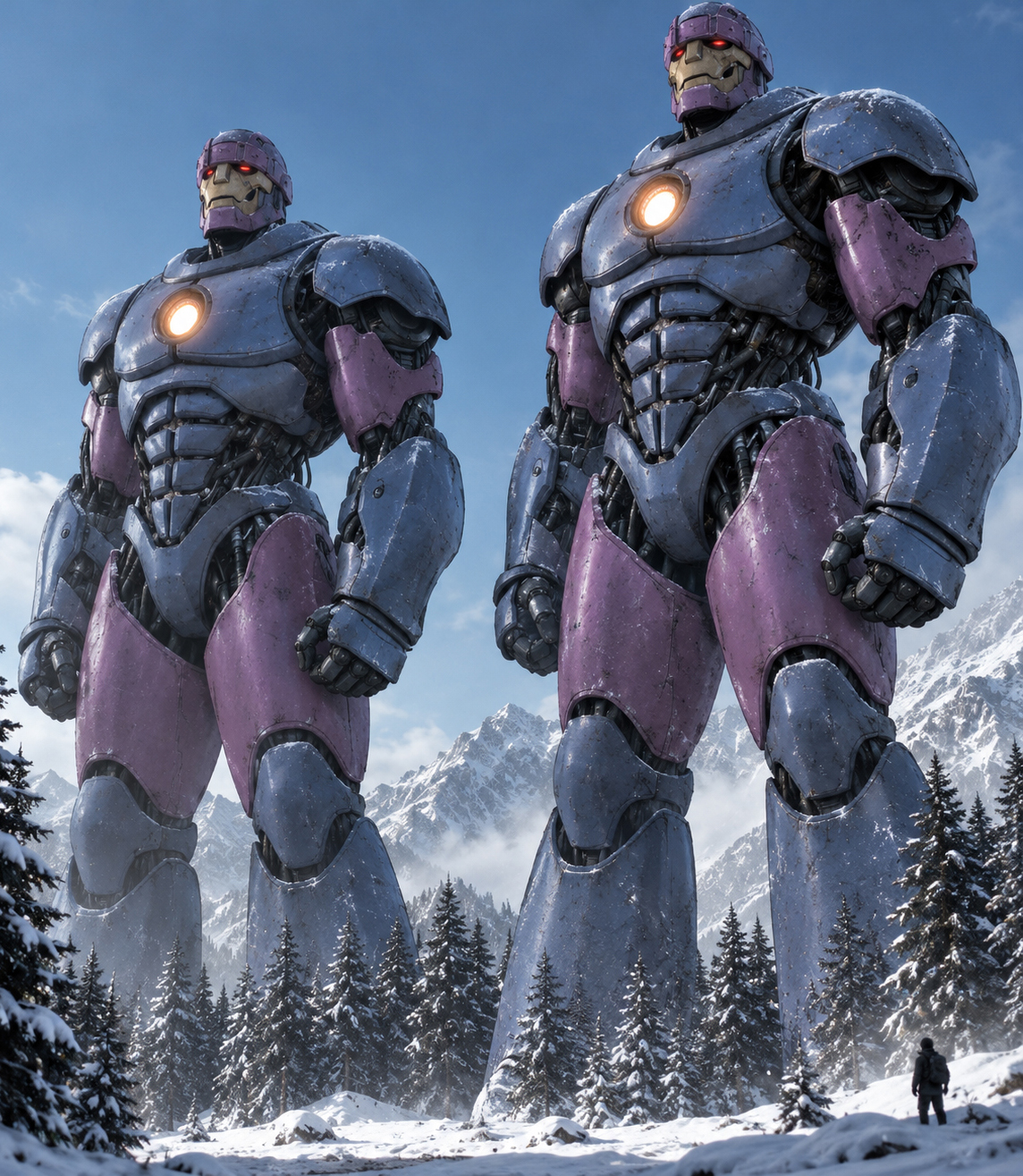
The debate is given a powerful new voice by Dr. Bolivar Trask, a prominent scientist and robotics expert. Trask argues that mutants would inevitably use their superhuman abilities to supplant humans. His answer is the Sentinel, large humanoid machines designed to detect, analyze, and neutralize mutants. Trask unveils the first Mark I Sentinels during a nationally televised debate with Dr. Charles Xavier, shocking millions. Xavier challenges Trask's assumptions about mutantkind, warning that fear and indiscriminate persecution could create the very conflict Trask believes he is trying to prevent.
What happens next becomes one of the great mysteries of the year. Dr. Bolivar Trask is never seen again, and immediately rumors spread that mutants killed him for creating the Sentinels. The circumstances are disputed, but the effect is undeniable. Trask becomes a martyr to those who believe humanity must defend itself. The Sentinel program acquires a strange legitimacy, seen as the last dream of a great man. It ensures that future attempts will be watched with fascination, fear, and, increasingly, public support.
The world moves at a rapid pace. Meanwhile, A.I.M. and other clandestine scientific organizations begin appearing in intelligence reports. In the Balkans, the small state of Latveria draws uneasy attention as Victor von Doom consolidates power: still a Warsaw Pact neighbor on the map, no longer a client in practice. In Africa, Genosha and Wakanda emerge as competing super powers, their rivalry becoming an international matter when Wakanda accuses Genosha of industrial espionage.
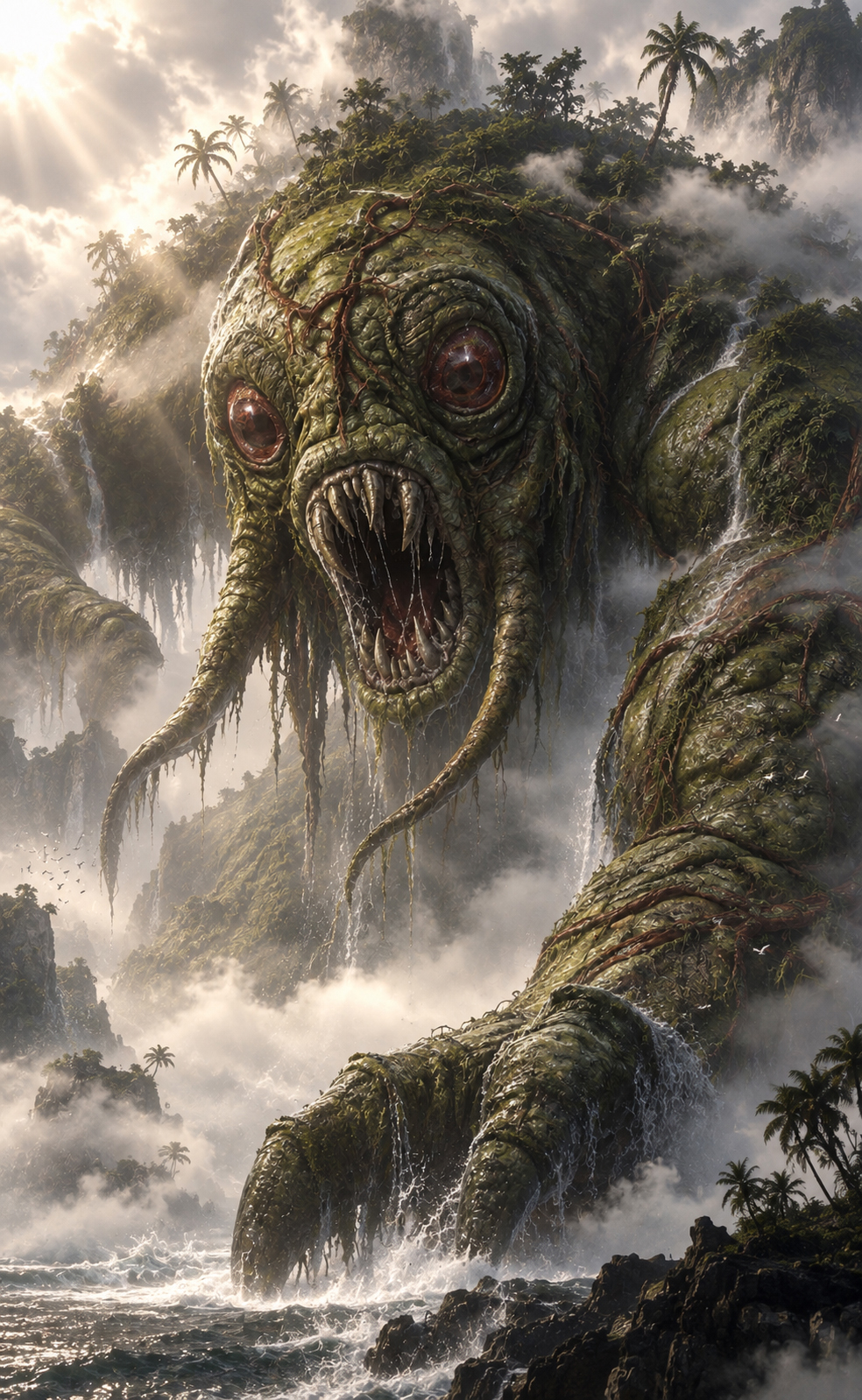
And beneath all of this, something stranger still. France conducts another series of nuclear weapons tests at Moruroa and Fangataufa. Shortly afterward, several French military vessels participating in the operations disappear or are found catastrophically damaged. Paris attributes the incidents to equipment failure and adverse ocean conditions, and the matter quickly disappears from the international press. No one knows that the detonations have awakened a primeval mutant, an ancient organism dormant beneath the Pacific for ages.
Something vast begins to feed.
1984 : Fire in the Sky
On Christmas Eve, the famous Rockefeller Center ice rink becomes the stage for a fierce battle between mutants and a new generation of Sentinels. This time there are enough cameras to capture it all and while some assume mutants were just trying to mingle and enjoy Christmas, most viewers side with the Sentinels, blaming mutants for the ruckus. Police and emergency services struggle to contain the chaos and some bystanders swear the mutants are trying their best to protect humans from becoming collateral damage. Mutants and the machines withdraw before authorities can determine what just happened.
Footage of the Christmas Clash between mutants and Sentinels dominates the airwaves, sparking all manner of debate. Senator Robert Kelly adresses his constituency in Boston, claiming the challenge of their time is the Mutant Question. What many consider a strong speech from a likely future candidate to presidency is overshadowed by the events that follow.
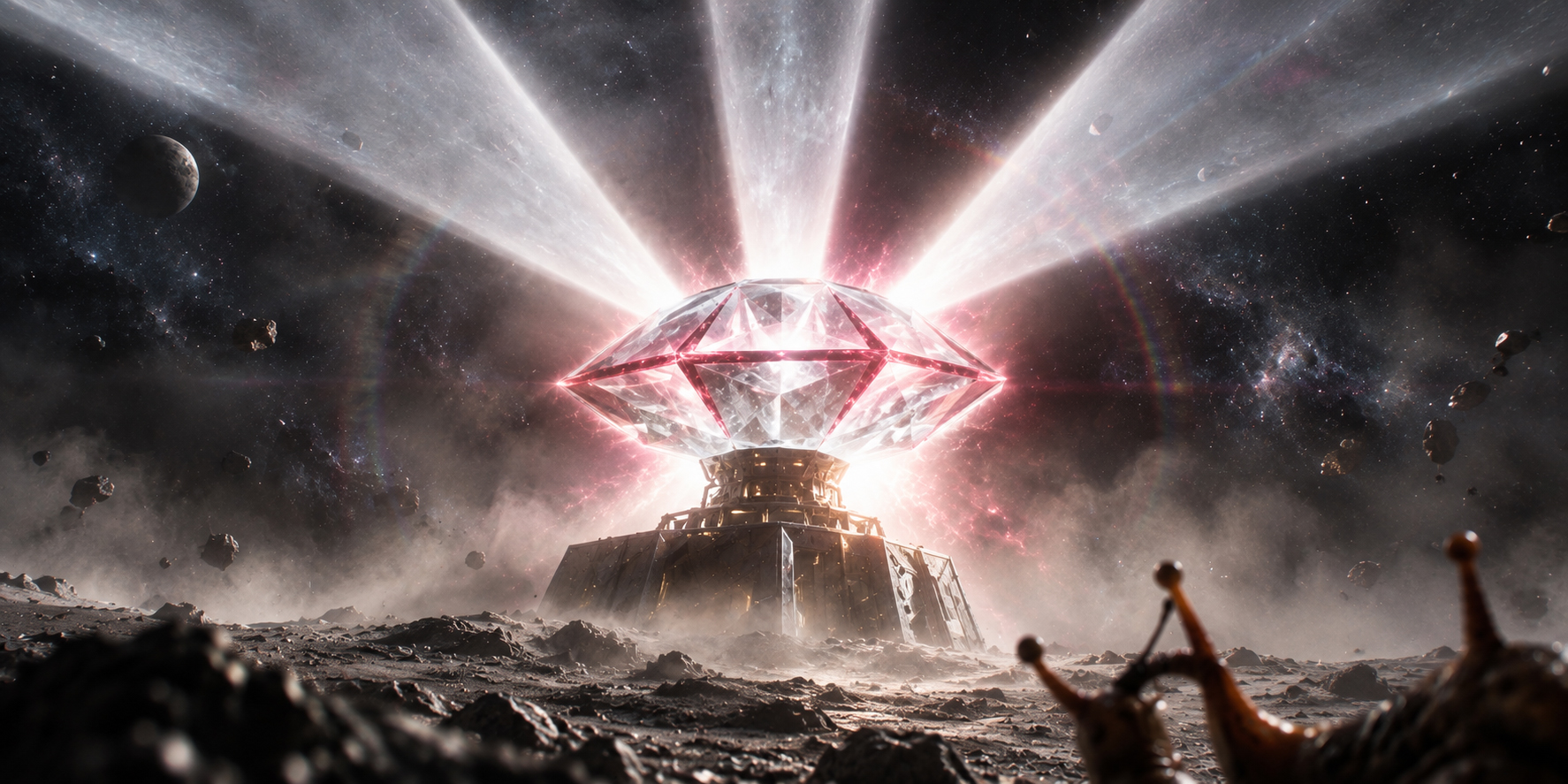
A week after the Christmas Clash, from New York to London, from Tokyo to Nairobi, people look upward and see what appears to be an enormous wave of fire crossing the heavens. It does not behave like a meteor, an aurora, or any known atmospheric phenomenon. The event lasts only moments in some places and several minutes in others. Telephone lines become jammed as millions attempt to describe the same impossible sight.
The fire seems to leave something behind. Across the world, people report unusually vivid dreams. Some dream of enormous wings or a burning bird. Others describe visions of places they have never visited, lives they might have lived, or people they have never met. A few claim to have seen events that later come to pass. Artists, writers, musicians, and scientists speak of sudden bursts of inspiration in the days that follow, while hospitals and emergency services report people suffering psychological breaks.
Birth rates spike.
Officials confirm a craft down in Jamaica Bay and, almost in the same breath, the miracle: the crew of the thought-lost Marvel-1 has come home through the storm, alive but altered. The quickly-named Fantastic Four step into the cameras. The wreck in the Bay is logged and humans will forget it, but the surviving passengers will not.
VI: The Registration Act
1985 : Days of Future Past
Public opinion slowly begins to settle around the idea that the Brotherhood is the one on the offensive. Again and again, the Brotherhood slips through traps, escapes pursuing authorities, and disappears before anyone can bring them to justice. They catch human heroes off-guard and alone, and seem to vanish before they can be engaged in the field proper. It is as if they have destiny itself on their side, and the X-Men are always playing catch-up.
At the same time - and perhaps because of it - calls for mutant registration intensify. Senator Robert Kelly, sponsor of the proposed Registration Act, emerges as its most prominent advocate, arguing that the government cannot protect its citizens from individuals it is forbidden to identify. Across the country, the argument spills beyond Congress and into churches, universities, newspapers, television studios, and the streets.
Behind the scenes, the government has established the Department of Superhuman Affairs in the lead-up to the vote on the Registration Act. The Department is composed of Frank Lowell of the C.I.A., Raven Darkhölme of the Department of Defense, and civilian advisors Henry Gyrich, Anthony Trask, Norman Osborn, and Dr. Valerie Cooper. Even within the Department, there are those who question the funding of Project: Wideawake, though such objections have gain little traction. Sentinels are thought to be essential to the nation's security and for much of the American public, that is common sense.
Everything comes to a head before Congress can vote on the Registration Act.
An attempt is made on Senator Robert Kelly's life. The X-Men manage to catch the Brotherhood this time and intervene. For the first time, the world sees the team not as an elusive band of superpowered vigilantes, but as young men and women willing to put their lives on the line to protect others. Their abilities are extraordinary, their training unmistakable, and the disparity between them and ordinary humans is impossible to ignore. Yet so, too, is the distinction between those who use their gifts to terrorize the public and those who use them to defend it.
The X-Men save not only Kelly's life, but the life of his wife. In the days that follow, the Senator begins to reconsider the legislation he has spent months championing. He does not abandon his belief that superhuman violence poses a serious challenge to public safety, but he loses faith in the Registration Act.
When Kelly announces his change of position, the political consequences are immediate. The Registration Act loses its most prominent advocate, and senators who had rallied behind the proposal find themselves reconsidering their support. Others remain steadfast, warning that the Brotherhood's attack is precisely the reason registration is necessary. The Senate is divided, and the bill's passage becomes increasingly unlikely.
The Registration Act is delayed, perhaps indefinitely
Project: Wideawake is not.
1986 : Night of the Sentinels
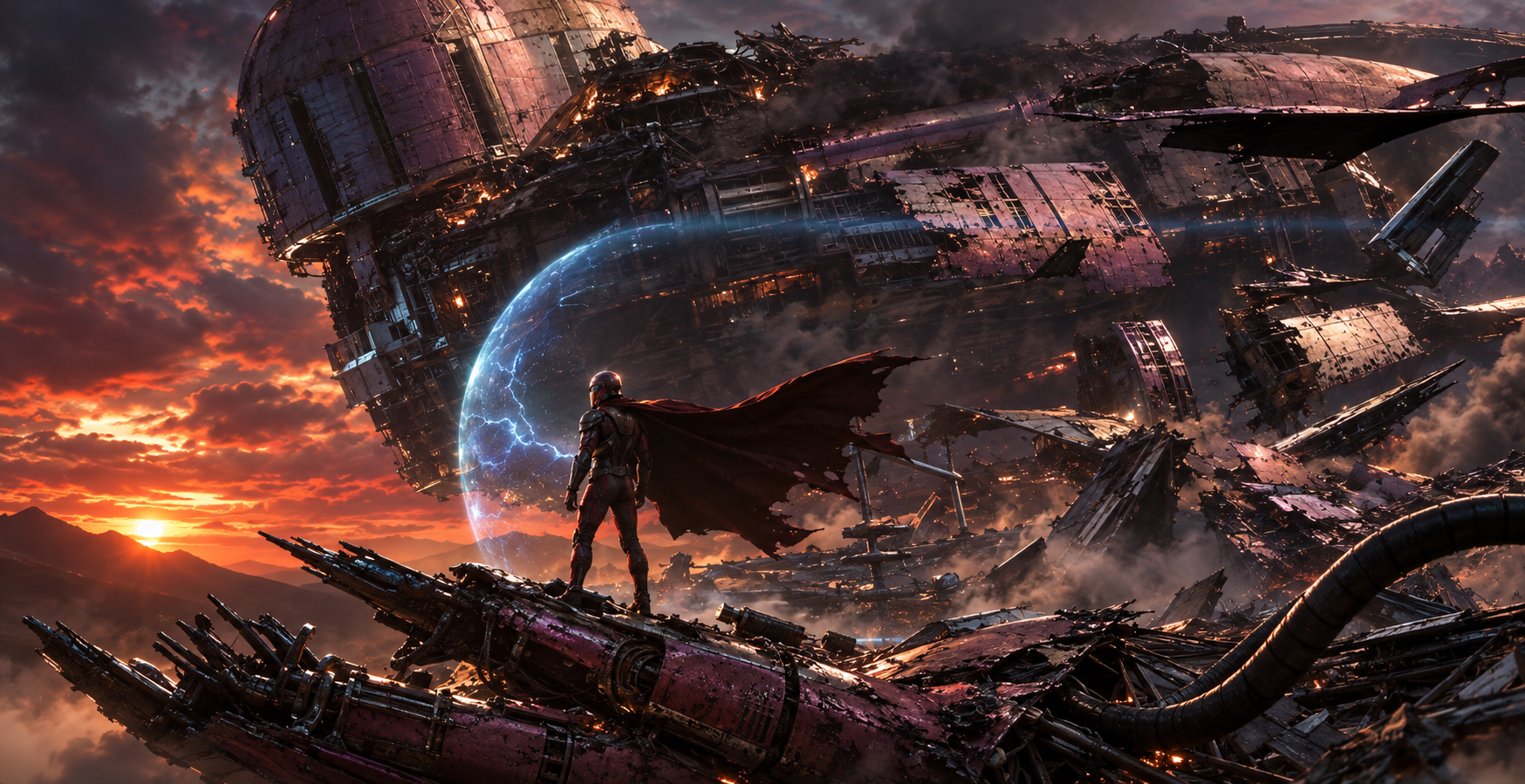
In an effort to restore order, the Department of Superhuman Affairs deploys Mk.III Sentinels in major cities, promising to reassure the public that the situation remains under control.
But it is not.
As unrest spreads, increasingly aggressive policing and mass arrests swell the mutant prison population, creating logistical problems of their own. The Raft is designed to contain genuine superhuman threats, not individuals whose powers are biological quirks at best or crippling at worst. Many are instead sent to some of the country's most violent prisons, where they become easy prey for other inmates. But not all of them. Raymond Bell, Anthony Sarto, and Leonard Pike recognize an opportunity in this vulnerable population. What begins as a small circle of mutual protection grows into a nationwide organization with its own chapters, hierarchy, economy, and code of laws. They call themselves the Mutuals. Identified by the hard metal buttons implanted in their temples, they soon earn a nationwide reputation for mutant brutality and discipline, becoming involved in every manner of illegal activity.
The crisis reaches its breaking point when the bodies of Mark Claremont and Jill Anderson are found in the playground of Westport Elementary School in Westport, Connecticut. Two mutant children, murdered and put on display for the world to see, send the powder keg that is post-Registration Act America exploding. With no clear culprit, every faction suspects its rivals, while the public is left horrified and demanding answers.
What follows is almost inevitable. Violence erupts, and as conventional public safety measures fail, the Sentinels of Project: Wideawake are deployed. In numbers far exceeding expectations.
The sheer number of Mk.III Sentinels takes many by surprise. Rumors spread of entire squads clashing with powerful mutants across the country. News reports describe attacks on factories producing the enormous peacekeeping machines, with Trask Industries bearing the brunt of the strikes. The damage severely limits the company's ability to supply additional units. A particularly fierce battle erupts in the Colorado mountains, where explosions rock the peaks. Hours later, Denver witnesses a full cadre of Sentinels rising from the smoke.
This time, however, Magneto is among them.
1987 : Ultimatum
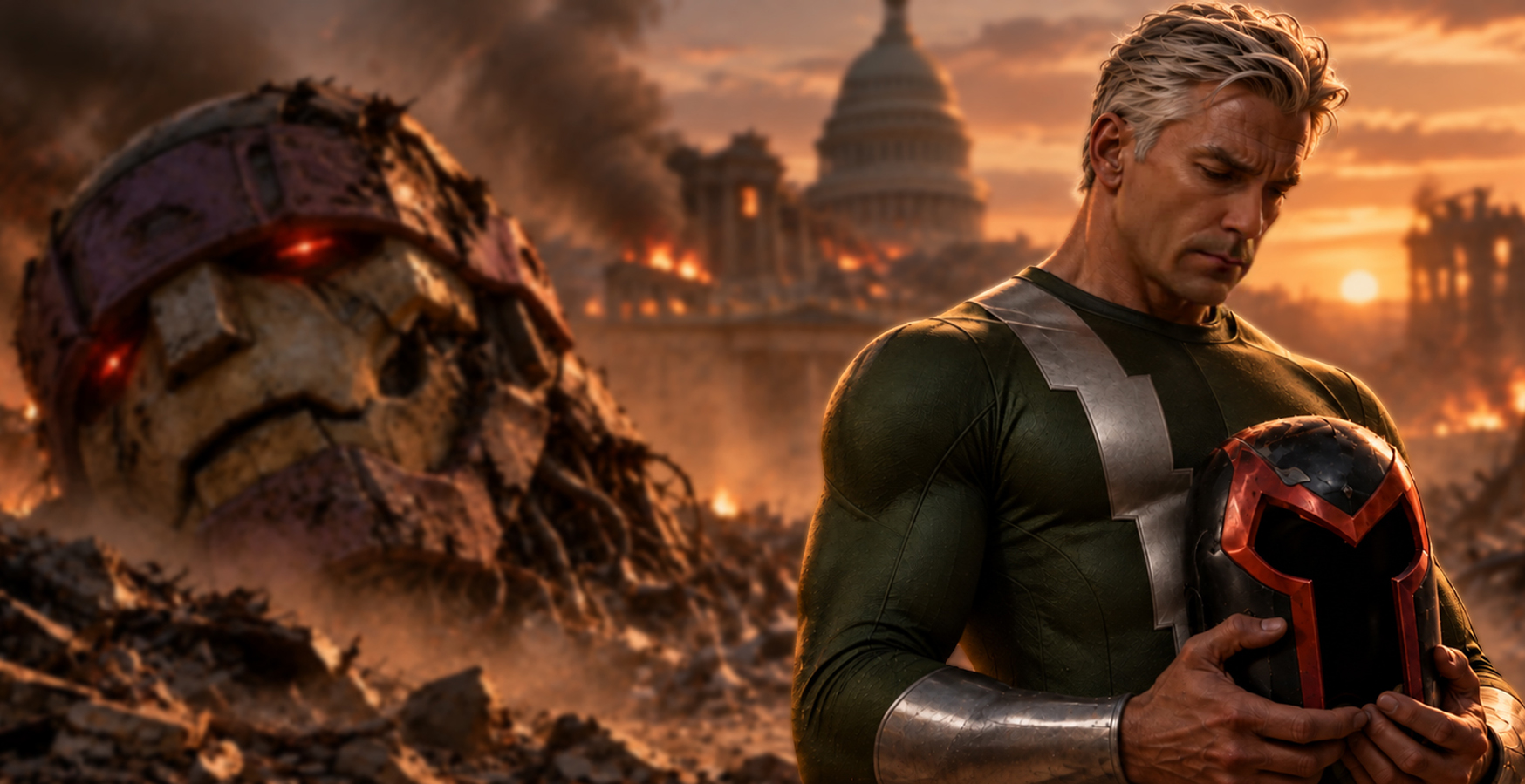
For the first time, millions of Americans witness the full might of an adult mutant trained to wield his powers. Sentinels are torn apart, crushed into twisted heaps, or turned against their own ranks, whether by Magneto himself or by his second-in-command, the mysterious Exodus. From the Capitol to the broad avenues surrounding the Mall, the government's defenses buckle. The images broadcast across the country are terrifying, and for many watching, it seems that human authority has finally met an enemy it cannot overcome.
Then the Avengers arrive.
Far removed from the ragtag team that helped prevent the first riot at the Raft, the Avengers have grown into a formidable force. They are numerous, well-trained, and, perhaps most importantly, human. Led by the beloved Captain America, the team includes Iron Man, the Hulk, Hawkeye, Black Widow, Yellowjacket, Wasp, Ms. Marvel, and Wonder Man. Behind them comes a strange new addition: the android Vision. As the two forces converge upon the battered streets of Washington, it looks a long time coming.
The fighting spreads from the National Mall along Constitution Avenue and Pennsylvania Avenue, past shattered monuments and government buildings, as mutants and superhumans clash amid the wreckage of the capital. The remaining Sentinels provide what support they can to the Avengers, but the cost is high. Ms. Marvel falls to a young, previously unknown Acolyte, while the Hulk disappears during a confrontation with the Scarlet Witch. Yet the Avengers persevere, gradually turning the tide and forcing Magneto to reconsider.
The Master of Magnetism finally dismisses his followers, refusing to let the men and women who entrusted themselves to him pay the price for his war. He will finish this himself. As his Acolytes withdraw, Magneto advances alone toward the White House, leaving a trail of mangled Sentinels and wrecked vehicles in his wake. Outnumbered but undeterred, he tears through the Avengers' remaining ranks, fighting with the desperate ferocity of a man who has no intention of surviving the day. By the time the battle reaches the White House lawn, the Avengers are on the verge of being overwhelmed.
It is only the arrival of the X-Men that brings the battle to an abrupt and terrible conclusion. Magneto's helmet vanishes in the confusion, later to be seen in the hands of Quicksilver, while a powerful psychic force seizes its former wearer. Magneto fights the intrusion with everything he has, his resistance sending his powers spiraling beyond his control. Metal tears free from the surrounding streets, buildings, vehicles, and ruined Sentinels, converging upon him in an immense, churning mass. The Avengers retreat as the Master of Magnetism becomes the center of a gathering storm, his power building toward a catastrophic crescendo.
Then comes the shockwave.
Magneto is consumed by the force he can no longer contain. Across Washington, every electronic device within reach is fried in an instant. Communications die. Screens go black. The capital falls silent beneath a cloud of dust and twisted metal.
The battle is over. The city remains standing, but barely; the avenues are scarred, the monuments damaged, and the nation's seat of government has become a battlefield broadcast into millions of homes. Magneto's defeat offers little comfort to a country that has just witnessed what mutants are capable of when united under a single banner. Across the ruined White House grounds, the X-Men and the Avengers face one another, uncertain if the fight is over.
Whatever comes next, the world will not forget what happened in Washington.
VII: Survival of the Fittest
1988 : Fall of Mutants
The X-Men are offered a different arrangement. Still independent, they are invited to operate in a semi-official capacity, with a dedicated liaison inside the Department. Under Angel's advice, Cameron Hodge is appointed to the position of their new public relations manager. Articulate, photogenic, and familiar with the team's public image, Hodge quickly becomes the Department's preferred interpreter of the X-Men to the press and Congress. He glamourizes their "mutant fashion", releases relationship drama tidbits to tabloids, while also emphasizing their power, discipline, restraint, and willingness to cooperate with civilian authorities. The coverage is overwhelmingly favorable. Here, at last, are mutants America can trust.
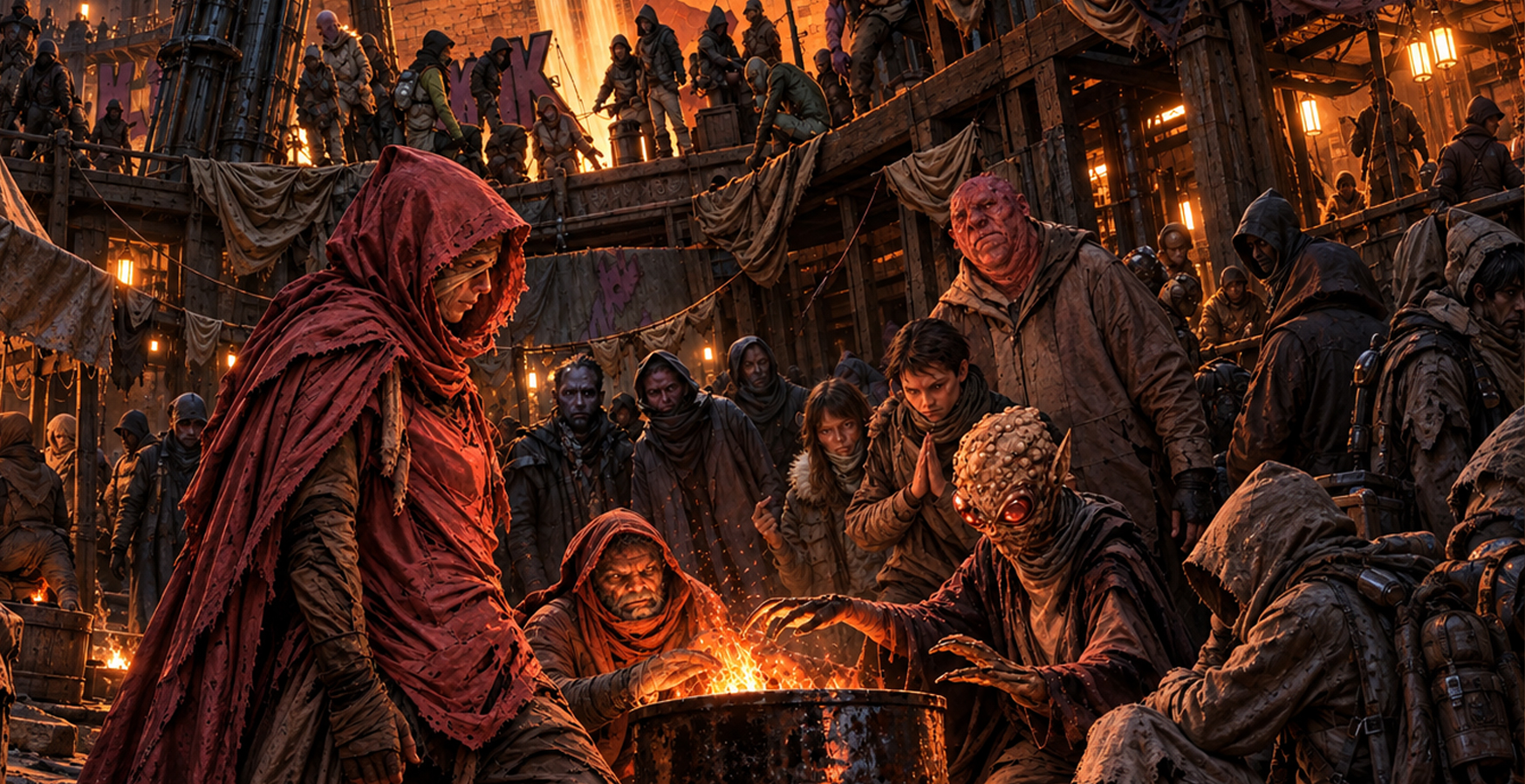
But celebrity and respectability have their costs. In community centers, underground clinics, and there is a growing population of mutants who are neither beautiful or powerful. Called "Morlock", they often flee from their homes and communities and form settlements beneath America's major cities, each of those with their own cultural norms and rules. They are the object of much folklore, and blamed for every other crime without solution. To many of them, the X-Men increasingly come to represent a different kind of mutant: beautiful, powerful, well-fed, well-trained, and connected to the institutions that still deploy Sentinels against those who cannot afford such protections. The Morlocks more and more become an isolated population.
The threats themselves are becoming harder to contain. Friends of Humanity are everywhere, and can be anyone. The Human Front might mean well, some say, but violence and political assassinations have become their language. Many Morlocks, dangerously radicalized, follow a poorly-understood creed they call Akkaba, which calls for them to confront both humans and mutants to the last consequences. Meanwhile, Kick moves through the streets freely. No single crisis dominates the headlines. Together, they ensure that the X-Men and Freedom Force are perpetually occupied, moving from one emergency to the next. The X-Men remain the mutants most Americans can name and approve of, but the nature of their challenges is changing drastically.
By year's end, yet another problem surfaces: scattered medical reports from hospitals in New York, London, and Nairobi begin to note a cluster of unexplained illnesses among mutants: persistent fever, fatigue, and small lesions that resist treatment. In a handful of cases the patients also exhibit brief, uncontrolled surges of power. Physicians initially attribute the incidents to stress, drug interactions, or misdiagnosis. Public health authorities issue no alerts. The stories remain confined to specialist journals and a few quiet internal memos, easily lost amid the decade’s other crises, yet the pattern is already beginning to form.
1989 : Morlock Massacre
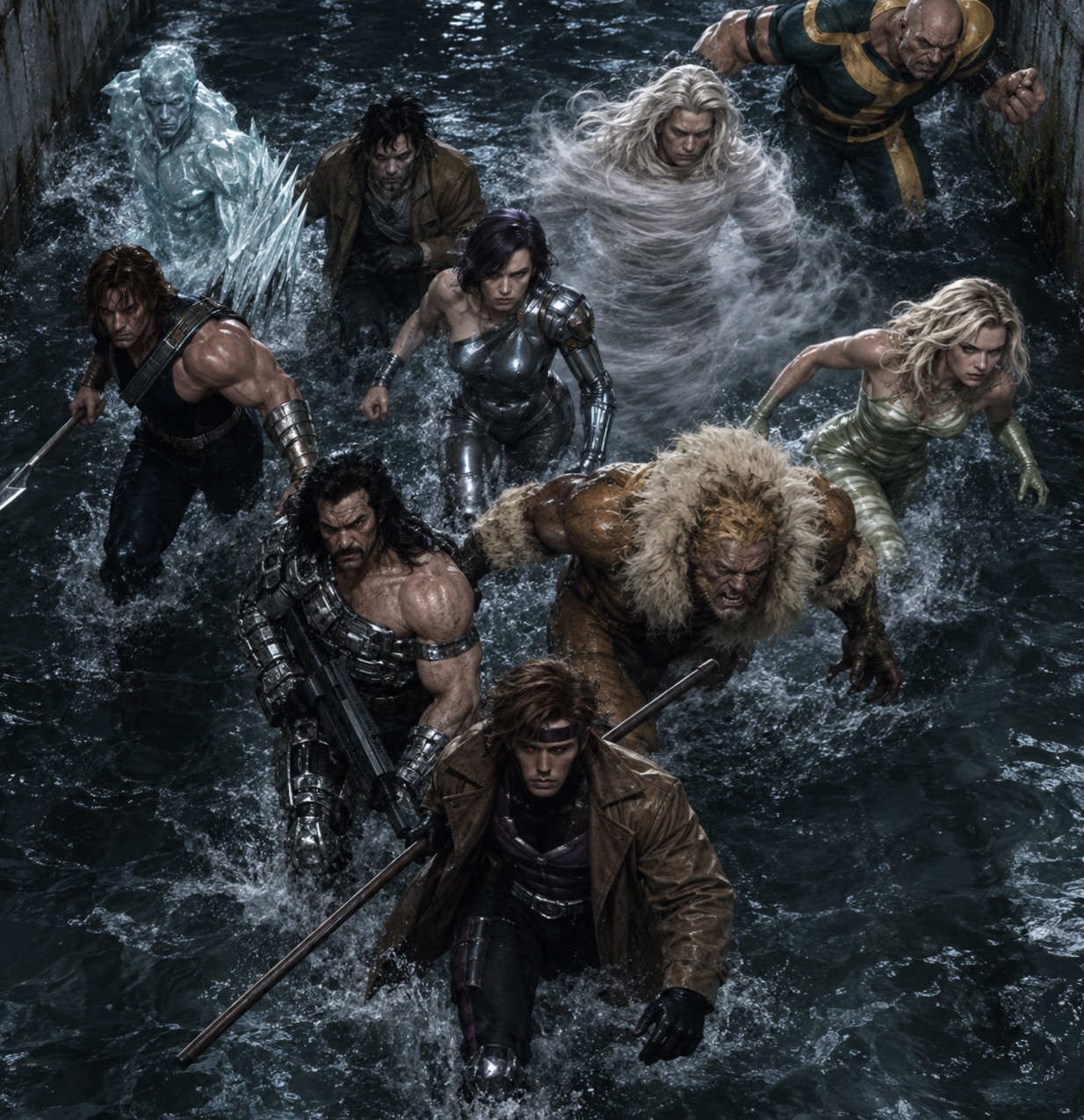
This Legacy Virus does not strike evenly. In the Morlock settlements beneath New York and Chicago, the same pattern spreads faster and with fewer interruptions than it does on the surface. There are no hospitals the residents trust and no public-health notices that reach them in time. What begins as quiet quarantine becomes expulsion. Infected Morlocks are driven from their own tunnels or left behind when a settlement relocates. A smaller number, already aligned with the poorly understood Akkaba creed, treat the illness as further proof that both human institutions and the surface mutant population have abandoned them. Their attacks grow more frequent and less discriminate. Late in May, cameras catch the Freedom Force intercepting one such infected mutant running toward a federal building, power already flaring out of control, screaming about their messiah's innevitable return. Mystique drops them before they reach the steps. The footage is brief, brutal, and widely replayed. To most viewers it is simply another dangerous mutant stopped in time, but something is about to break.
It begins with screams from beneath the streets of New York. Across Manhattan, from the storm drains of the Lower East Side to subway entrances in Midtown, dozens of disfigured and wounded figures suddenly emerge from the sewers and tunnels, stumbling into traffic, collapsing on sidewalks, and desperately pleading for help. Some are covered in blood; others can barely walk. A few are carried by their companions, while others flee into the streets with no apparent destination, terrified of something still pursuing them below. Commuters scatter, traffic grinds to a halt, and emergency services are overwhelmed by reports of violent disturbances across the city. Only gradually does the truth become apparent: these are Morlocks, the hidden mutant community that has lived for years beneath New York, and something terrible has happened in their underground settlement.
The X-Men respond alongside other mutant heroes, descending into the tunnels to evacuate survivors and confront whatever remains below. The fighting is brutal, and even experienced heroes struggle to protect a population scattered through unfamiliar passageways, many of whom are unable or unwilling to defend themselves. Several X-Men are seriously injured, while others narrowly escape death. By the time the violence subsides, the Morlock community of New York City has been devastated, its survivors left without homes and its future uncertain. The identities and motives of the attackers remain disputed, but the scale of the destruction makes one thing clear: this was no ordinary street-level hate crime.
The revelations provoke difficult questions within the mutant community. The X-Men are praised for their intervention, but their arrival could not prevent a slaughter well underway. For the Morlocks, the tragedy is more immediate. Those who survived must decide whether to remain underground, seek refuge with other mutant communities, or risk exposure in a society that has offered them little reason to trust it. Their suffering also draws renewed attention to the growing divide between mutants who can pass through human society with relative safety and those whose appearance, circumstances, or powers leave them permanently exposed.
Among the survivors, the pleas to the messiah En Sabah Nur fill their tunnels at night.
1990 : The Rocks of the Eternal Shore
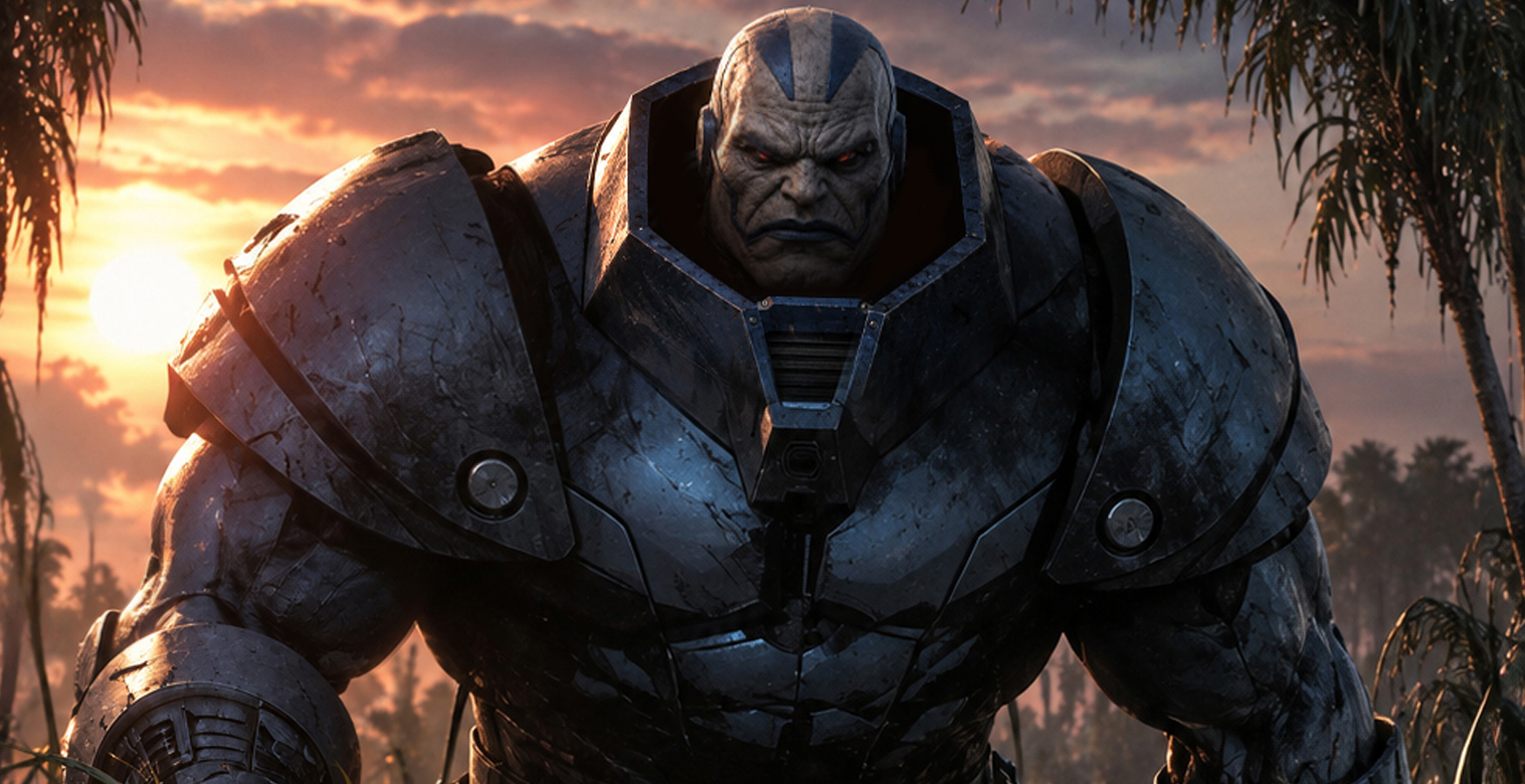
An ancient metahuman descends upon Manhattan with four exceptionally powerful lieutenants, labelled by the ever-creative Daily Bugle as Apocalypse and his Four Horsemen. Their assault overwhelms draws the attention of the Avengers and the X-Men, who take the field immediately. Apocalypse makes no attempt to conceal his contempt for the modern world, declaring through his actions that humanity's institutions and its celebrated heroes are unprepared for the struggles to come. Human militias of the Purifiers are immediately destroyed, showing the works of mere mortals are nothing in face of this new threat.
The Avengers mobilize as the fighting spreads through Manhattan, meeting Apocalypse's forces with everything they can muster. The Horsemen prove formidable opponents, inflicting severe injuries and overwhelming several of Earth's Mightiest Heroes before the tide begins to turn. Iron Man and Vision manage to neutralize Pestilence, while Hawkeye and Quicksilver force Famine into retreat. The Hulk engages War, leaving Captain America and the remaining Avengers to confront Apocalypse himself. Yet the ancient warlord is unlike any adversary they have faced before, possessing a combination of strength, technology, and apparent experience that makes even the combined efforts of the heroes insufficient to secure a victory. When Apocalypse enters Central Park, the battle reaches its most desperate stage. The X-Men, occupied with protecting the citizenry from the fallout, arrive to reinforce the Avengers, but their intervention does little to diminish the scale of the destruction.
As the fighting intensifies, one of Apocalypse's lieutenants, the winged leader called Death, attracts particular attention. The X-Men appear particularly determined to reach him, repeatedly attempting to break through Apocalypse's defenses, but their efforts are met with brutal resistance. The confrontation reaches its climax when Iceman, one of the original X-Men, turns his full power against Apocalypse. The assault grievously wounds the ancient, who in return shatters the X-Man into particles. The wounded warlord is forced to abandon the battlefield, but victory comes at a terrible cost: Iceman is dead, leaving the X-Men to mourn one of their own while Manhattan struggles to comprehend the destruction visited upon it.
Apocalypse withdraws with his Horsemen, but the retreat brings a final and troubling revelation. Most of the surviving Morlocks disappear alongside him. The ones who remain behind do so of their own free will. This will remain one of the great mysteries of the century, as the Morlocks seem to have found their own form of Rapture with their own mutant messiah.
VIII: X-Tinction Agenda
1991 : The Watchword Is Freedom
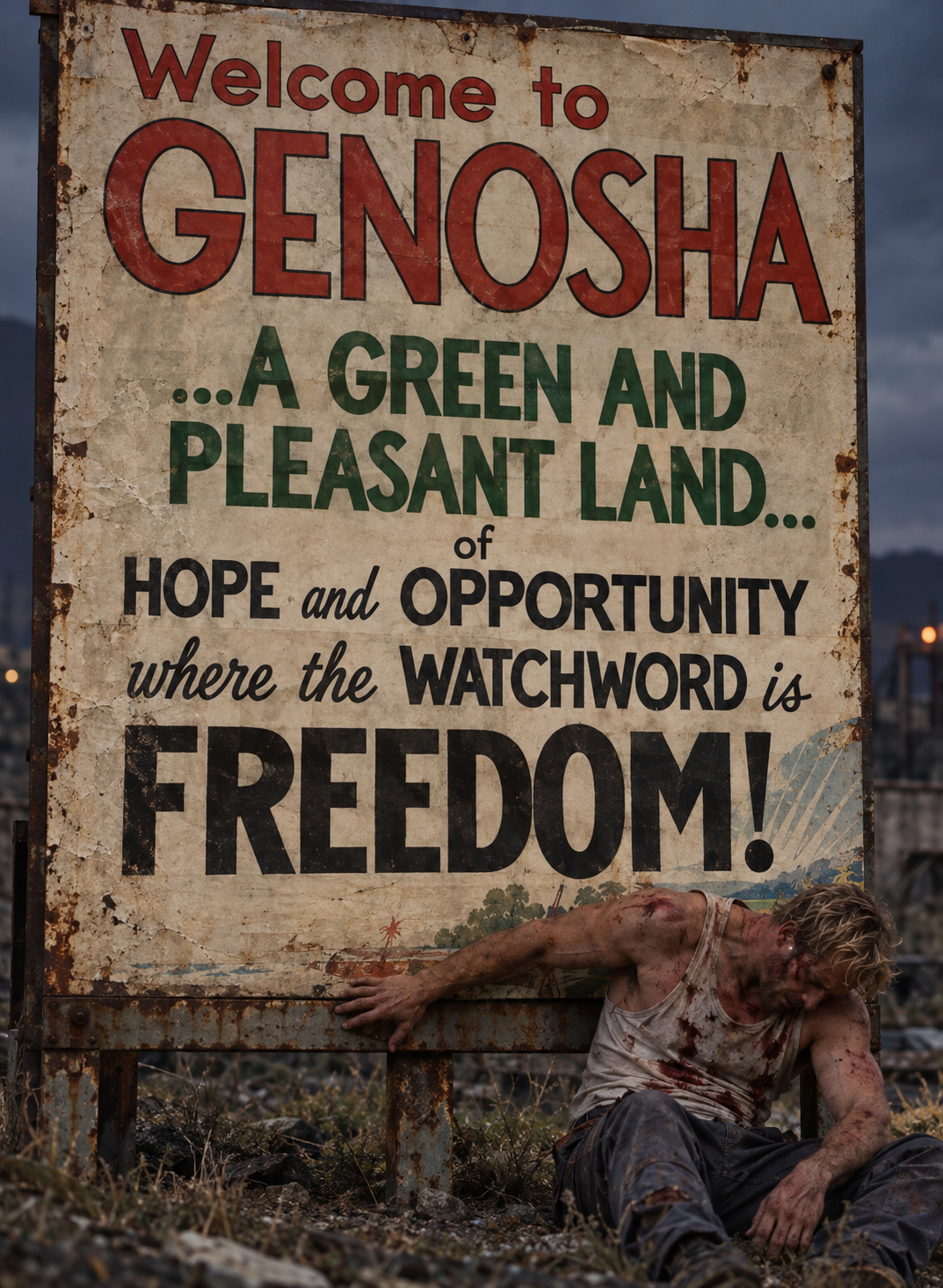
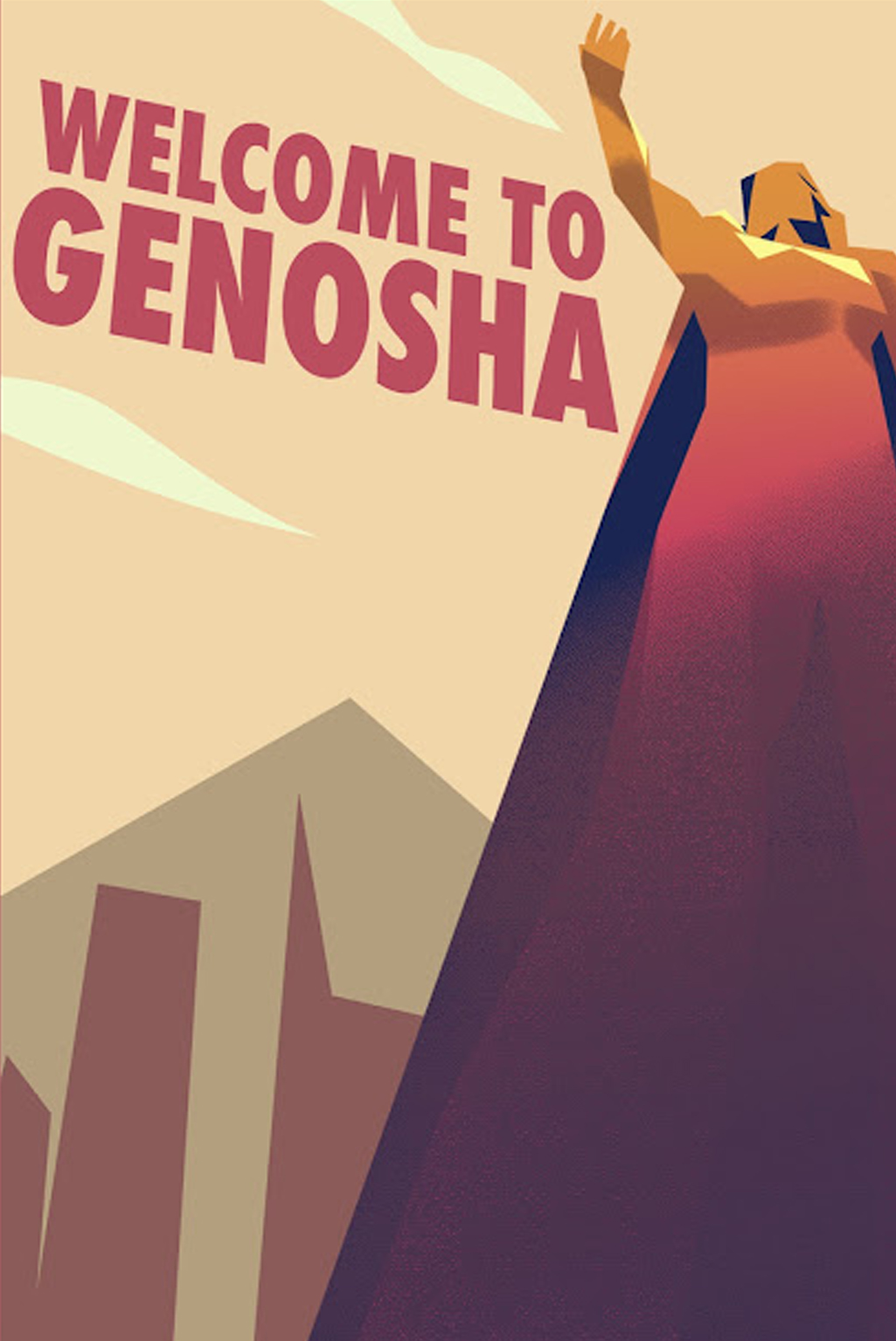
The situation changes when reports emerge that the X-Men are conducting an operation on Genoshan soil. The details remain scarce, filtered through diplomatic statements and fragmentary news reports, but the implications are immediate. The Department of Superhuman Affairs refuses to comment, while State Department officials insist Washington has no intention of interfering in Genoshan affairs. Genosha's government accuses foreign agents of destabilization, warning that unauthorized intervention will violate its sovereignty. The controversy intensifies when investigative reporter Trish Tilby begins circulating information about Genosha's internal security apparatus, citing sources she refuses to identify. Speculation soon arises that she has contacts within the X-Men, though neither party confirms the rumors. For the first time, Genosha is making international headlines, and Washington faces pressure to explain what it knows.
Then the story breaks. Reporting corroborated by evidence gathered during the X-Men's operation establishes that Genosha's prosperity depends upon the systematic exploitation of its mutant population. The government identifies individuals with unusual genetic traits and channels them into a state-administered labor system, presenting their work as a patriotic contribution to national prosperity. Officials insist that these citizens receive housing, medical care, and vocational training. In interviews with CNN and the BBC, prominent Genoshan figures like Dimitrios Markou defend the system as necessary for the common good. But investigators uncover evidence of compulsory employment, forced separation from previous lives, and restrictions on workers' freedom to leave. The full machinery of the system remains unknown, but one fact is undeniable: Genosha's celebrated prosperity rests upon the coerced labor of its mutant citizens.
In America, the revelations ignite a national debate. News programs broadcast Genoshan officials defending their policies alongside human rights advocates demanding sanctions and investigations. On Nightline, politicians and academics debate whether Genosha represents an isolated abuse or a warning of what governments might do to their own mutant populations. On The Phil Donahue Show, callers question whether mutant rights can be separated from civil rights. Some condemn Genosha's practices; others argue that foreign governments have no right to impose American standards on sovereign nations. Meanwhile, the Department of Superhuman Affairs faces renewed scrutiny over its relationship with the team. For all the outrage, America has only begun to discover what Genosha is hiding.
1992 : Genoshan War
Within hours Genosha claims responsibility. In a carefully staged address broadcast from Hammer Bay, President Reneau Bogdanove describes the operation as a limited, surgical response to the "unprovoked terrorist assault" carried out against Genoshan territory the previous year. They name the X-Men as the aggressors and insist that every individual taken was either a participant in that earlier raid or a material supporter of it. The statement frames the raid as an act of national self-defense conducted with scrupulous regard for civilian life. American officials reject the characterization outright. The White House calls the action an unacceptable violation of sovereignty. The State Department demands the immediate return of all captives.
Public reaction is divided. Cable news runs continuous footage of the Midtown ballroom: overturned tables, scattered graduation programs, blood on marble floors. The conspiracy-minded argue over whether the academies are a de facto training ground for an unaccountable private army. Others insist that no sovereign government has the right to stage a military extraction inside the United States, whatever the alleged provocation. Trish Tilby's reporting on Genoshan internal security is replayed endlessly. On the Sunday morning shows the question hardens into a single, uncomfortable line: if the X-Men struck Genosha first, does that make the retaliatory raid an act of war or an act of justice? A large part of the constituency is firmly against fighting in "gene wars".
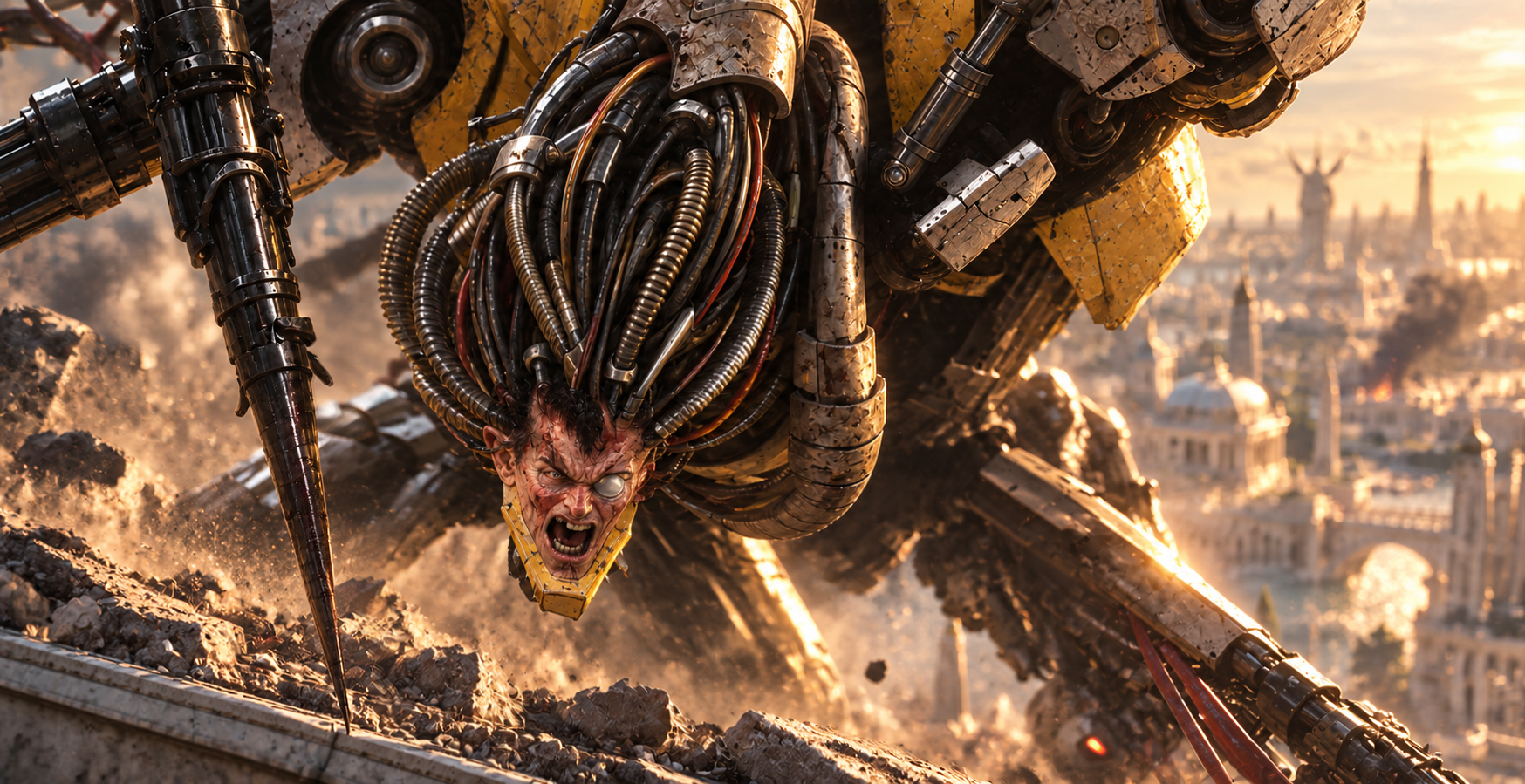
The answer arrives in the form of images no government can suppress. A week after the Manhattan raid, international networks begin carrying live and near-live footage from inside Genosha itself. The pictures are chaotic, shot from multiple angles by leaked Genoshan security systems, tourist camcorders, and at least one news crew that refuses to leave. They show the X-Men - recognizable even through the smoke - moving through the capital in open combat with Genoshan Magistrates and, eventually, something far larger. At the center of the transmission stands a towering robotic construct, its chassis a brutal assembly of armor plate and hydraulic limbs, from whose neck hangs a flat, almost-cartoonish humanoid form that sways with every step like a cardboard cutout. The battle reaches the Citadel, Genosha's central government complex. Explosions bloom against its façade. Structural supports fail. In full view of the watching world the upper floors collapse inward, sending a plume of concrete dust across Hammer Bay.
When the dust settles the political ground has shifted permanently. Footage recovered from the Citadel and from surrounding districts confirms what advocacy groups had only been able to allege: the systematic conversion of mutants into a controlled labor force through invasive neurological and genetic procedures. The process is no longer rumor. Medical scans, internal memoranda, and harrowing footage of the so-called "mutates" surface in rapid succession. Genoshan officials continue to defend the system as a regulated national service that provides housing, medical care, and purpose.
In Washington, sanctions are proposed and immediately contested by those who argue that collapsing Genosha's economy would only create a failed state on the African coast and a humanitarian disaster larger than the original crime. The X-Men are alternately hailed as the only force willing to act and condemned as the spark that ignited an international crisis. The Department of Superhuman Affairs faces closed-door hearings. Meanwhile, in Genosha, the struggles are just beginning.
1993 : The House of M
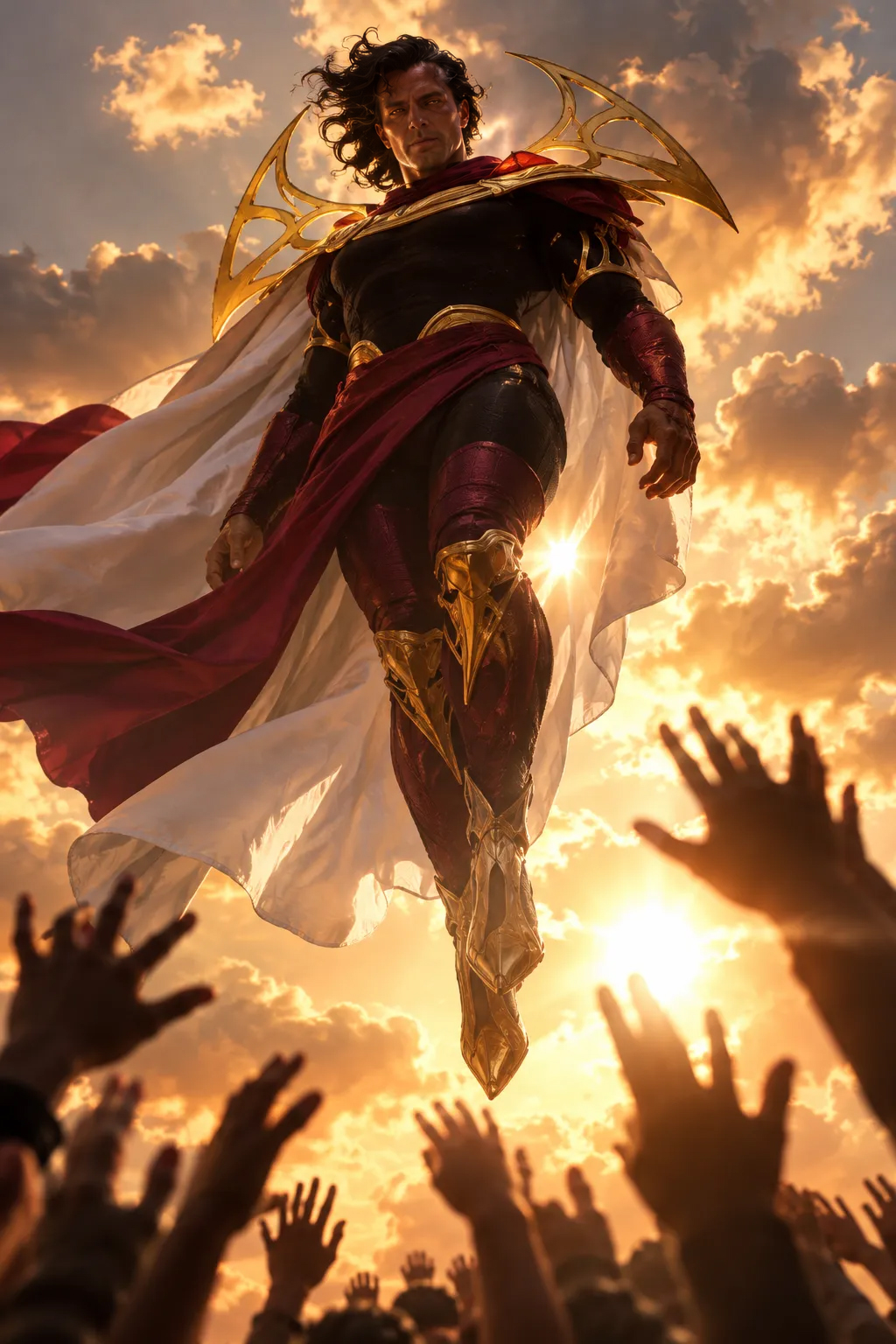
Publicly, the conflict is framed in familiar terms. One side, still centered in the ruined administrative districts, insists that continuity of the existing labor system is the only path to national survival. The embattled President Reneau warsn that any abrupt dismantling of the mutate workforce will trigger immediate free-fall and collapse, food shortages and the flight of foreign capital. The opposing coalition, a shifting alliance of mid-level officials, missionaries, provincial commanders, and vocal civic groups, declares the old order morally finished. They call for emancipation, international supervision, and a complete accounting of the conversion process. Neither side can fully control the streets.
Into this vacuum steps a new force. Exodus returns with a disciplined cadre of Acolytes and declares the acts of the Genoshan government require a reckoning. His campaign is swift, ideological, and absolute: framed as righteous liberation, executed with the uncompromising severity of a revolutionary guard seizing a state. There is no footage of it - none is allowed - but within weeks key Magistrate strongholds fall or go silent; new edicts are issued from captured broadcast centers; and the island's internal map is redrawn. What began as a contested civil conflict becomes a rapid ideological takeover that threatens to export instability far beyond Genosha's shores. Washington, European capitals, and regional powers now see the crisis is no longer contained.
The last Magistrate stronghold at Carrion Cove eventually falls and mutant forces achieve total military control. Wakanda is especially anxious about the rise of a mutant nation so close to its borders, and soon the reasons for it become apparent: Acolyte Catalyst exposes that Wakanda has, for years, quietly transferred portions of its own mutant population to Genoshan processing facilities in exchange for advanced anti-mutant detection and suppression technology. Both governments issue furious denials. Wakanda denies the claims, categorically. Many believe more war is all but unavoidable.
Then the transmission begins. On tube televisions in living rooms, newsrooms, and government bunkers, a figure the world had believed dead appears against the ruins of Hammer Bay. Magneto is visibly wounded, diminished from his earlier attack on Washington, his voice measured rather than thunderous. Before an audience of frightened humans, newly freed mutates, and a global viewership, he reveals his origins and the systematic horrors humans are capable of. He goes in detail of the sights and secrets found deep within Genosha's rotten heart, and the extent of the oblivion inflicted on mutants who have undergone the mutate process. He spares no details but the true blow comes from the world beholding the mutates themselves for the first time: dehumanized and depersonified, mollified and confused, unable to process life without masters.
He declares Genosha a sovereign mutant haven and offers safe passage to the humans who must leave them be. Surrounded by mutates who stare at him with a mixture of confusion and fragile hope as he promises them dignity and safety, he ends the broadcast. The world is left staring at a silent screen.
IX: E is for Extinction
1994 : Mutant Mania
Across the United States, mutant musicians acquire devoted followings, fashion designers incorporate the exaggerated silhouettes and vivid colors into their collections, and mutant-themed merchandise becomes a thing. Posters, bootleg shirts, and trading cards circulate among a generation for whom mutant heroes are consumed as actors and professional athletes. Gossip columns speculate about their private lives, and television producers wonder who will be the first among them to book a mutant guest, and how it will go.
The breakthrough arrives when Jumbo Carnation becomes the first mutant guest on The Tonight Show with Jay Leno. A fashion designer of considerable talent, his obviously inhuman appearance before a national audience is a gamechanger. His interview is discussed and replayed. For some, it marks an unmistakable cultural milestone and others call it a slippery slope. He puts Mutant Town in the map, and a recognizably mutant popular culture begins to emerge.
Many Americans adopt the bright colors, extravagant makeup, dramatic accessories, and deliberately theatrical clothing associated with prominent mutants. Music scenes flourish in urban centers with bands like Sentinel Bait, independent publications circulate through clubs and college campuses. For young homo superior, these developments offer something beyond entertainment: the possibility of an identity that is shared, celebrated, and chosen rather than imposed upon them by outsiders.
Not all developments are seen as positive, however. Porn parodies and fetish publications find secretive and willing audiences, while nightlife entrepreneurs advertise access to performers whose bodies and abilities are marketed as exotic attractions. Mutant Growth Hormone, Kick, Rave, and Xperience and other mutant-specific drugs circulate through different corners. Rumors of mutant cults, underground fighting rings, and criminal fraternities, and for all the change, Mutant Mania does not herald an end to anti-mutant violence. In some communities, greater visibility brings a corresponding increase in harassment, assaults, and organized intimidation.
Against this backdrop, the Human Front grows in size and the scope of its operations. Its networks establish routes through which mutants can escape to Genosha. The operation proves remarkably effective. Accounts of successful escapes spread through communities increasingly desperate for a way out. The organization's achievements, however, are accompanied by a growing campaign of violence. Human Front cells attack suspected "anti-mutant" strongholds, employing arson and suicide bombings that alienates public opinion on all human allies of mutantkind. The distinction between legitimate targets and imagined collaborators becomes a subject of mounting controversy.
Then the violence reaches the household of Graydon Creed.
Creed's daughter is found horribly disfigured following an attack at the family manor. The assault provokes immediate outrage. The Human Front is implicated, and a man identified as one of its revolutionary adherents is arrested and brought to trial. The proceedings become a national spectacle and it ends in further tragedy when Graydon Creed disappears. The combination of a public trial and a prominent political figure's presumed death overwhelms the Front's attempts to defend its reputation.
Cassandra Nova responds by disbanding the Human Front. The decision is presented as a repudiation of an organization whose revolutionary ambitions have overtaken its humanitarian purpose. For the mutants who reached Genosha through its networks, however, the dissolution is a more complicated matter. Many feel like they owe their lives to the Front's operations.
1995 : Genoshan Genocide
Genosha has been destroyed.
The island lies in ruins. Entire districts have been reduced to ash. Buildings have melted into glass, while their inhabitants remain as anguished silhouettes burned into walls and pavement. The dead number in the millions. The scale of the devastation defies conventional accounting, and the first images broadcast from Genosha reveal a landscape in which the distinction between a city and a graveyard has all but disappeared. Other than a single, blind mutant woman who is found walking aimlessly on her way out of the city, no single witness will surface from underneath the rubble in the first few days, and the precious few that eventually do piece together a poor reconstruction of the catastrophic event.
The X-Men arrive within hours, but they cannot conceal the enormity of what has happened. It is written on their faces. Their telepaths are conspicuously absent. Among the survivors are a small number of their own, many having escaped through extraordinary abilities or sheer chance. Others died protecting the helpless from the fate that overtook the island. Rescue efforts continue amid unstable ruins and the lingering dangers of the devastated city. The number of Genoshans found alive remains heartbreakingly small.
The smells are dizzying.
The Avengers soon arrive to assist with rescue operations, medical care, and the recovery of victims. Their presence offers a rare moment of solidarity in the immediate aftermath of the disaster, though it does little to quiet the grief and anger spreading through mutant communities. For some, the intervention is evidence that humanity has not abandoned mutantkind entirely. For others, the arrival of human heroes after the destruction of an entire nation is a gesture that comes far too late.
In the following days, the rescued Genoshans speak of something massive: a Sentinel so vast that even Magneto committed everything he had to stop it. A beast of metal and hate, it fought until its final moments, denying its opponents even the consolation of victory. In its death throes, the machine consumed itself, unleashing a final explosion that obliterated the heart of Hammer Bay. Its appearance raises immediate questions about its origin, its deployment, and the circumstances that allowed a weapon of such magnitude to reach Genosha. Amid the wreckage, however, there is little opportunity for answers.
The Genoshan Genocide becomes a watershed in human-mutant relations. A nation established as a home for mutants has been annihilated, exposing the limits of sovereignty as a safeguard against extermination. Governments face mounting demands for an international investigation, while mutant communities across the world confront the possibility that no refuge, institution, or political arrangement can guarantee their safety. For many, the future has become almost impossible to imagine.
For the X-Men, the catastrophe is both a humanitarian disaster and a profound philosophical rupture. Their long-standing efforts to secure peaceful coexistence have never seemed so distant.
1996 : The Last Dream of Professor X

When the day comes, television screens around the world carry the funeral as Genoshan mutants boldly hold a funeral for the man once thought to be the most dangerous terrorist in the world. The crowds are not very large: most mutants would not dare gather in numbers at this point, and many humans have mixed feelings about honoring a man who almost brought down the government of the United States. Yet, to the confusion and worry of many, there are X-Men and even some Avengers - such as Wasp and Quicksilver - among the mourners. Among the distinguished human attendees are Dr. Valerie Cooper and Cassandra Nova.
The last to pay her respects is Polaris. She uses all her might to raise a massive monument in the fallen leader's honor, a towering testament to his will, and as she does, Magneto's voice booms across Hammer Bay.
"This is the voice of the Genoshan nation," says the mutant leader, speaking from beyond his grave of steel and glass.
"It is a strange thing to die in darkness. It is a strange thing to die. I was Magneto, master of magnetic forces. Now I will be a voice in the darkness, echoing forever. Once, I was a mortal man. Now I am becoming memory, immortal. They must have thought they could silence us. Instead we have become magnetic. Unstoppable."
The world stands frozen as the militant mutant speaks to those left behind. In that moment, most fear what is to come: vengeance, retribution against those who razed Genosha, and punishment for those who stood silently by and allowed the conditions for its destruction to gather. They believe they are about to hear a declaration of war from a dead nation. A rallying cry for a war long coming.
What they get is different.
"Do you understand? Our voices will be broadcast around the world... At the speed of light. At the speed of radio. Our voices traveling without end through the depths of time and space. Beyond this life. And far, far... beyond this death."
There is no call to arms. To many, this spells an even more dire scenario: Magneto, in his final moments, chose not to begin yet another bid for global domination, nor to send his wounded wards into a blind battle. What sounds silent alarms in war rooms is the possibility that, in their attempt to break mutantkind, whoever orchestrated the attack on Genosha may have overlooked the potential of its spirit.
Among the mourners stands a teacher, a friend, and a man who once shared with Magneto a vision of what mutantkind might become. He hears something in those final words that the others cannot. And in a year's time, he will give his people their paradise.